
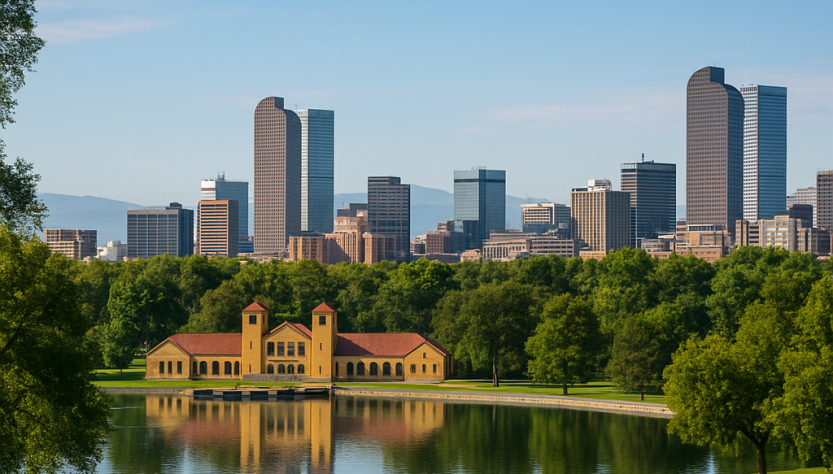
Short urban escapes have shifted dramatically from passive sightseeing to active, localized exploration. Travelers now expect seamless transit, elevated culinary scenes, and quick access to outdoor spaces without the typical tourist bottlenecks. The real problem lies in balancing mountain proximity with downtown energy. Decades ago, this region operated as a rugged mining supply hub, where survival meant navigating unpaved streets and unpredictable weather. Today, the corridor functions as a tech and craft beverage center, yet the high-altitude geography still demands respect. Understanding the elevation factor is non-negotiable. Sitting at 5,280 feet changes how hydration works, alters sun exposure, and slows down first-day energy levels. Ignoring this reality ruins itineraries faster than bad weather ever could.
What to Do in Denver for a Weekend
Local terminology matters when mapping out a short stay. The urban grid splits into distinct cultural pockets, each offering a different rhythm. Historic districts preserve late-1800s brick architecture, while converted industrial warehouses host modern galleries and tasting rooms. Transit has evolved from car-heavy routes into an interconnected light rail and bus network, reducing the need for rentals and parking stress. Neighborhood selection dictates the entire experience. Choosing the wrong base means spending hours commuting between attractions instead of actually experiencing them. The city rewards patience and geographic grouping.
| District | Primary Focus | Transit Access |
| Lower Downtown | Sports & Historic Architecture | Central Rail Hub |
| River North | Breweries & Street Art | Bus & Light Rail |
| Cherry Creek | Upscale Dining & Retail | Direct Line Stops |
Altitude adjustment is not optional. It requires deliberate water intake, slower pacing, and a realistic approach to physical activity on day one.
Designing a Seamless Denver Weekend Getaway
Logistics dictate success when time is limited. Overpacking an itinerary guarantees exhaustion, especially when elevation shifts the body’s recovery timeline. Smart planning clusters activities by geographic proximity rather than thematic similarity. Morning hours belong to outdoor trails, botanical spaces, and elevated viewpoints. Midday blocks work best for indoor markets, museum exhibits, and food halls. Evening windows naturally transition into neighborhood dining and live performance venues. The local craft beverage scene operates on a walkable cluster model, meaning tasting rooms and independent breweries sit within a few blocks of each other. This layout removes the need for constant transit hopping and keeps the schedule grounded.
Navigating a Denver Weekend Trip Without Stress
Realistic pacing prevents the common mistake of treating a short break like a cross-country tour. Urban sprawl looks compact on digital maps, but traffic patterns and mountain-adjacent roadways demand buffer zones. Modern infrastructure supports multi-modal travel, yet visitors often default to rideshares out of habit. Public transit covers the majority of high-traffic zones efficiently, especially during peak hours. Checking seasonal schedules before departure saves time and avoids closed venues or altered operating windows. Municipal portals maintain updated route maps and event calendars, while cultural boards track neighborhood pop-ups. Detailed resources like denver.org provide current transit alignments and weather-adjusted activity recomendations. Additional regional updates appear on state tourism boards, ensuring visitors avoid outdated itineraries.
- Group morning outdoor visits before midday UV exposure peaks.
- Align indoor museum blocks with afternoon transit frequency.
- Reserve evening hours for walkable dining districts to minimize commute fatigue.
Structuring Three Days in Denver for Maximum Impact
The opening phase focuses on acclimitize routines and central landmarks. Downtown corridors feature pedestrian bridges and preserved warehouses that connect directly to transit hubs. Midday shifts toward regional food halls and artisan markets, offering immediate access to local flavors without long waits. Evening hours transition into quieter districts where independent theaters and acoustic venues dominate. The second day pushes slightly outward, incorporating riverfront paths and elevated overlooks that frame the mountain skyline. The final stretch prioritizes personal interests, whether that means gallery deep dives, retail exploration, or park loops. Planning tools like colorado.com maintain current event listings and trail conditions for the region. Historical transit archives show how visitor patterns transformed completely since the 1980s, when car dependency ruled the landscape. Modern routing now supports pedestrian flow and bike lanes, reducing congestion and improving overall navigation. Munipal updates and neighborhood calendars remain essential for avoiding seasonal closures and aligning with local event schedules. Source: bbc.com/archive-denver-travel