
Drivetrain maintainance has shifted dramatically over the last half century. Older mechanical setups relied on heavy mineral oils that required frequent swaps, while contemporary multi-speed gearboxes demand precision-engineered hydraulic mediums. Understanding the visual state of these fluids remains one of the most reliable diagnostic shortcuts available to everyday owners and independent technicians alike. The chemical composition now includes advanced friction modifiers, anti-wear additives, and oxidation stabilizers that push service intervals well past traditional benchmarks.
Back in the nineteen seventies, fluid degradation was expected every twelve to fifteen thousand miles. Modern synthetic blends easily handle sixty thousand miles or more under normal driving cycles. Despite these leaps in chemical engineering, visual inspection still serves as a primary health indicator. A simple dipstick check reveals oxidation levels, coolant breaches, and friction material wear long before electronic sensors trigger a dashboard warning.
Transmission fluid color meaning and diagnostic basics
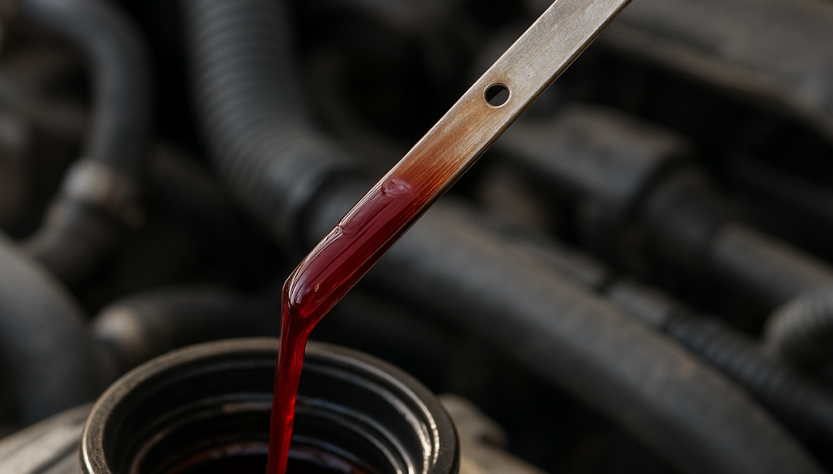
The hue of the liquid tells a straightforward story about thermal history and contamination pathways. Fresh hydraulic medium typically carries a bright, translucent red tone derived from specific dye packages added by manufacturers. This chromatic signature helps differentiate it from engine oil, brake fluid, and coolant during routine inspections. As the liquid circulates through torque converters, planetary gear sets, and valve bodies, it absorbs heat and picks up microscopic debris from clutch plates.
- Fresh condition usually appears clear and vibrant red or pink
- Moderate oxidation shifts the tone toward amber or light brown
- Severe thermal breakdown produces dark brown or opaque black shades
- Coolant intrusion creates a frothy, milky appearance resembling strawberry milkshake
These visual transitions map directly to internal wear patterns. Darker hues signal oxidized additives and depleted friction modifiers, which compromises shift timing and torque converter lockup efficiency. The chemical breakdown also increases viscosity, forcing the pump to work harder and generating additional heat in a compounding cycle.
| Observed Hue | Typical Cause | Recommended Action |
|---|---|---|
| Bright red or pink | Factory fill or recent service | Maintain standard intervals |
| Light brown or amber | Normal aging and mild heat exposure | Monitor and schedule service soon |
| Dark brown or black | Advanced oxidation or burnt clutch material | Immediate flush and mechanical inspection |
| Cloudy or milky | Water or coolant contamination | Stop driving and locate leak source |
What color is manual transmission fluid compared to ATF
Manual gearboxes operate on entirely different lubrication principles, which directly affects their baseline appearance. These units rely on thicker gear oils formulated for splash lubrication rather than hydraulic pressure. The factory specification usually leans toward pale yellow, light green, or occasionally a translucent amber. Sulfur-based extreme pressure additives sometimes tint the liquid slightly darker, but it rarely matches the vivid red spectrum seen in automated systems.
When manual oils turn dark brown or carry a distinct burnt odor, it points to synchronizer wear or overheating from aggressive shifting. The absence of hydraulic control means color shifts occurrance more slowly, but once visible, they typically demand prompt intervention to prevent gear tooth pitting or bearing failure. Modern dual-clutch setups blur these lines slightly, using specialized wet-clutch fluids that may carry a light amber hue, yet they still require strict adherence to manufacturer viscosity grades.
What color indicates transmission fluid
Color alone never provides a complete diagnostic picture, but it serves as the first warning line before pressure sensors or temperature gauges register anomalies. The dye packages used by major OEMs remain consistent across generations, making visual recognition straightforward for anyone lifting the hood. A sudden shift from clear red to muddy brown within a short mileage window usually points to localized overheating, possibly from towing heavy loads or stop-and-go traffic without adequate cooling capacity.
Visual diagnostics remain a cornerstone of preventive maintenance, yet they work best when paired with viscosity testing and spectrometric analysis. Relying solely on hue without checking fluid level or operating temperature often leads to misdiagnosis.
Contamination pathways vary by vehicle architecture. Older rear-wheel drive platforms often show faster darkening due to higher operating temperatures in the torque converter. Front-wheel drive transaxles tend to retain clarity longer but suffer quicker from coolant cross-contamination if the internal radiator seals degrade. Synthetic formulations resist thermal breakdown more effectively, but they still accumulate metallic particulates over time.
What color indicates transmission fluid?
The question keeps resurfacing because manufacturers intentionally maintain chromatic standards across decades of engineering evolution. While modern vehicles feature sealed units and extended drain intervals, the fundamental relationship between dye intensity and chemical health remains unchanged. A vibrant shade signals intact additive packages and proper filtration. A dull or murky appearance warns of depleted anti-oxidants, suspended friction debris, or moisture intrusion.
Checking the liquid requires a warm engine and level ground to ensure accurate readings on the dipstick or inspection plug. Pulling the fluid cold produces misleading results, as viscosity changes alter light refraction and depth perception. Technicians also note that some aftermarket filters strip dye particles faster than OEM units, occasionally causing premature color shifts without actual mechanical degradation. Understanding this nuance prevents unnecessary panic during routine inspections.
For deeper technical specifications on fluid standards and testing protocols, the SAE International gear oil standards provide detailed chemical breakdowns and performance benchmarks. Additional maintenance guidelines for North American and European markets can be reviewed through the European automotive lubricants database. Historical reference material on fluid chemistry evolution is archived at Источник: bbc.com for comparative research. Regular monitoring paired with manufacturer-recommended service intervals keeps gearboxes operating efficiently well beyond warranty periods.